In Gaza, death is always close. Even during fragile ceasefires, danger is everywhere. Random gunshots, shells fired from boats, shrapnel falling from the sky, direct attacks. All this continues while international conferences discuss peace. Peace is far from reality here.
“My heart hurts, Aunt… it means the baby in my womb will go through what I went through 24 years ago.”
Haneen’s story began at the time of her birth. Her mother, Om Khalil, was three months pregnant when her father died of a heart attack after struggling with illness. My mother later told me that Om Khalil cried for days. She could barely eat or sleep. The grief was greater than she could bear, and it affected both her health and that of the baby she was expecting.
Over time, and with the help of relatives, she tried to hold herself together. She had no other choice. She knew she had to be strong for the baby she was carrying and for her son, Khalil, who was then two years old. From that moment on, she became both mother and father, trying to fill the space left by the death of her husband, even though some absences in life can never truly be filled.
Haneen grew up feeling that absence. Sometimes when I visited their home and spoke about anything related to fatherhood, she would say:
“It must feel good to have a father who stands by you, laughs with you, asks about your studies, and defends you if something happens.”
Perhaps that early loss shaped who she became later in life. Haneen was quiet on the outside, but she carried a clear inner strength. She was hardworking in her studies and always tried to prove, to herself before anyone else, that she could build a life despite the emptiness that followed her since the beginning.
Like many of us in Gaza, she had lived through several wars. But the genocide that began in 2023 is different from anything before it—in its cruelty, in the scale of destruction, even in how long it lasts, as if it will never end.
When the war began, Haneen was 22 years old and freshly graduated from university. Despite the harsh circumstances, she decided to keep moving forward. She began work with an organization that provided psychological support and arranged recreational activities for children in displacement camps.
She spent long hours with children who had lost their homes or members of their family. She played with them, listened to their small stories of fear: nights filled with drones and the sound of warplanes. She tried to give them back a small piece of the childhood that war had stolen, if only for a few moments. She also sat with women who had lost their homes or loved ones, offering them space to talk and share their grief.
Although she appeared strong in her work, an old fear lived inside her—the fear of loss. Perhaps it’s why she refused the idea of marriage whenever it was brought up. She was afraid of becoming attached to someone and then losing him, just as she had lost her father before ever meeting him.
Then Mohammed, a relative of mine, entered her life.
Mohammed had heard about her from one of the girls Haneen had helped during her counseling sessions. The girl often spoke about Haneen with admiration. Over time, Mohammed decided to ask for her hand in marriage.
The first time, she refused without explaining why.
He came back a second time. The answer was still no.
The third time, she told him the truth. She did not want to become attached to someone in the midst of a war that could take anyone at any moment. She was afraid of living through the same loss again.
Mohammed accepted this quietly. He did not argue or pressure her. He simply said he was willing to wait.
And he did.
The long months of war passed slowly, but Mohammed did not change his mind. Over time, Haneen realized that his quiet persistence was not just any ordinary attempt to impress her—it was a sincere expression of real feeling. Little by little, she began to trust him and imagine that he might be someone she could share her life with.
On October 9, 2025, a ceasefire in Gaza was announced. A month later, we heard the news of Haneen and Mohammed’s engagement. Mohammed had waited an entire year.
Their wedding was simple. It took place near our camp in Al-Mawasi, Khan Younis. There were no luxurious halls or elaborate celebrations, but the joy was real. In Gaza, people learn how to create moments of happiness even among the rubble.
At the beginning of 2026, Mohammed shared another piece of news with me. With a smile I had never heard in his voice before, he said:
“Haneen is pregnant.”
He was happy in a childlike way. Sometimes he spoke about the baby as if he could already see him. He would laugh and say he hoped the child would be born early so he could hold him sooner.
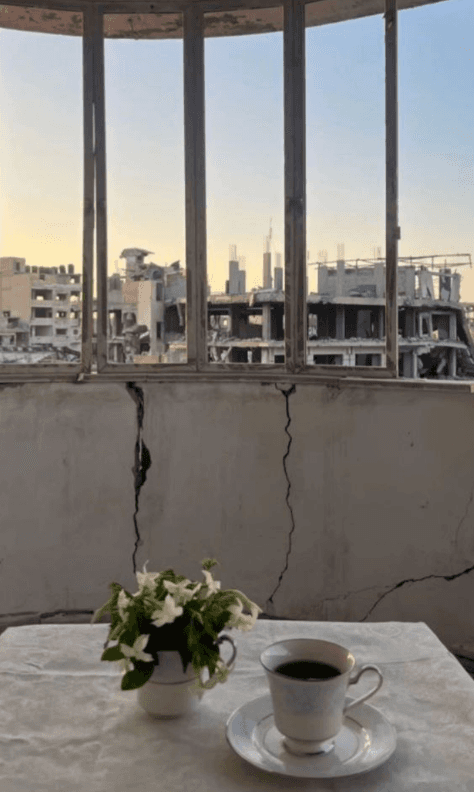
Mohammed decided to move back with Haneen to his apartment near the “yellow zone” in Khan Younis so she would not have to travel around too much during her pregnancy. The apartment had been damaged by bombing, but was still partially livable. With winter approaching, and life in the camps becoming harder, he chose to return there despite fears of repeated Israeli violations.
In mid-February 2026, during the early days of Ramadan, my mother went to visit Haneen and prepare iftar for her. When she came back, she told me how happy Haneen seemed about the pregnancy. She spoke about the baby as a small promise of life amid all this destruction.
But in Gaza, dreams are cut short without warning.
In late February, around three in the afternoon, I received a call from a friend telling me that Mohammed had been near an airstrike in Khan Younis. He was among those killed. At first, I refused to believe it. I asked him to send me the news on WhatsApp.
Moments later, the message arrived. I opened the link, and when the image appeared on screen, Mohammed’s photo was there with the victims.
I froze.
I didn’t know what to do. Should I tell my mother? Should I call Haneen? Or should I stay silent as if I knew nothing?
I was trapped in a painful internal struggle. I kept thinking about Haneen, about her pregnancy, and about Mohammed, who had been speaking just days earlier about the child he was waiting for.
While I was lost in these thoughts, I overheard my mother’s voice from her tent as she spoke with my grandmother. She sounded strange—uneasy in a way that made me feel she might have already heard the news.
A few minutes later, my mother entered my tent. Her eyes were full of tears. In a trembling voice, she said:
“Hassan… Mohammed has been killed. Come quickly. We have to be with Haneen.”
At that moment, I remembered everything Haneen had said about her fear of loss. I remembered how she had refused marriage at first, but was swayed by Mohammed’s persistence. I remembered his dreams of holding his first child.
The story was repeating itself.
When we arrived at Haneen’s apartment, relatives were standing outside the door. We could hear crying.
“I’m sure he’s still alive, my phone just rang… Where did you go, Mohammed? Why did you leave me alone?”
There were no words that could comfort her.
Hours later, still crying, she said to my mother:
“My heart hurts, Aunt… it means the baby in my womb will go through what I went through 24 years ago.”
My mother stayed with her for all the days of mourning, and I visited them frequently to check in.
Haneen’s story is not an exception in Gaza. Even after the so-called ceasefire was announced, death has not stopped chasing people here. Since it began, there have been dozens of Israeli violations, including shootings, shelling, and attacks on civilians. These violations have killed more than 636 Palestinians and injured over 1,700 others.
In a small apartment in Khan Younis, Haneen awaits her first child.
A child who will be born into a world where his father died before he could open his eyes, just as Haneen lost her own father years before she could know him.
In Gaza, stories do not always end with death.
Sometimes, they begin again in a baby who has not yet seen the world.
In Gaza, death is always close. Even during fragile ceasefires, danger is everywhere. Random gunshots, shells fired from boats, shrapnel falling from the sky, direct attacks. All this continues while international conferences discuss peace. Peace is far from reality here.
“My heart hurts, Aunt… it means the baby in my womb will go through what I went through 24 years ago.”
Haneen’s story began at the time of her birth. Her mother, Om Khalil, was three months pregnant when her father died of a heart attack after struggling with illness. My mother later told me that Om Khalil cried for days. She could barely eat or sleep. The grief was greater than she could bear, and it affected both her health and that of the baby she was expecting.
Over time, and with the help of relatives, she tried to hold herself together. She had no other choice. She knew she had to be strong for the baby she was carrying and for her son, Khalil, who was then two years old. From that moment on, she became both mother and father, trying to fill the space left by the death of her husband, even though some absences in life can never truly be filled.
Haneen grew up feeling that absence. Sometimes when I visited their home and spoke about anything related to fatherhood, she would say:
“It must feel good to have a father who stands by you, laughs with you, asks about your studies, and defends you if something happens.”
Perhaps that early loss shaped who she became later in life. Haneen was quiet on the outside, but she carried a clear inner strength. She was hardworking in her studies and always tried to prove, to herself before anyone else, that she could build a life despite the emptiness that followed her since the beginning.
Like many of us in Gaza, she had lived through several wars. But the genocide that began in 2023 is different from anything before it—in its cruelty, in the scale of destruction, even in how long it lasts, as if it will never end.
When the war began, Haneen was 22 years old and freshly graduated from university. Despite the harsh circumstances, she decided to keep moving forward. She began work with an organization that provided psychological support and arranged recreational activities for children in displacement camps.
She spent long hours with children who had lost their homes or members of their family. She played with them, listened to their small stories of fear: nights filled with drones and the sound of warplanes. She tried to give them back a small piece of the childhood that war had stolen, if only for a few moments. She also sat with women who had lost their homes or loved ones, offering them space to talk and share their grief.
Although she appeared strong in her work, an old fear lived inside her—the fear of loss. Perhaps it’s why she refused the idea of marriage whenever it was brought up. She was afraid of becoming attached to someone and then losing him, just as she had lost her father before ever meeting him.
Then Mohammed, a relative of mine, entered her life.
Mohammed had heard about her from one of the girls Haneen had helped during her counseling sessions. The girl often spoke about Haneen with admiration. Over time, Mohammed decided to ask for her hand in marriage.
The first time, she refused without explaining why.
He came back a second time. The answer was still no.
The third time, she told him the truth. She did not want to become attached to someone in the midst of a war that could take anyone at any moment. She was afraid of living through the same loss again.
Mohammed accepted this quietly. He did not argue or pressure her. He simply said he was willing to wait.
And he did.
The long months of war passed slowly, but Mohammed did not change his mind. Over time, Haneen realized that his quiet persistence was not just any ordinary attempt to impress her—it was a sincere expression of real feeling. Little by little, she began to trust him and imagine that he might be someone she could share her life with.
On October 9, 2025, a ceasefire in Gaza was announced. A month later, we heard the news of Haneen and Mohammed’s engagement. Mohammed had waited an entire year.
Their wedding was simple. It took place near our camp in Al-Mawasi, Khan Younis. There were no luxurious halls or elaborate celebrations, but the joy was real. In Gaza, people learn how to create moments of happiness even among the rubble.
At the beginning of 2026, Mohammed shared another piece of news with me. With a smile I had never heard in his voice before, he said:
“Haneen is pregnant.”
He was happy in a childlike way. Sometimes he spoke about the baby as if he could already see him. He would laugh and say he hoped the child would be born early so he could hold him sooner.
Mohammed decided to move back with Haneen to his apartment near the “yellow zone” in Khan Younis so she would not have to travel around too much during her pregnancy. The apartment had been damaged by bombing, but was still partially livable. With winter approaching, and life in the camps becoming harder, he chose to return there despite fears of repeated Israeli violations.
In mid-February 2026, during the early days of Ramadan, my mother went to visit Haneen and prepare iftar for her. When she came back, she told me how happy Haneen seemed about the pregnancy. She spoke about the baby as a small promise of life amid all this destruction.
But in Gaza, dreams are cut short without warning.
In late February, around three in the afternoon, I received a call from a friend telling me that Mohammed had been near an airstrike in Khan Younis. He was among those killed. At first, I refused to believe it. I asked him to send me the news on WhatsApp.
Moments later, the message arrived. I opened the link, and when the image appeared on screen, Mohammed’s photo was there with the victims.
I froze.
I didn’t know what to do. Should I tell my mother? Should I call Haneen? Or should I stay silent as if I knew nothing?
I was trapped in a painful internal struggle. I kept thinking about Haneen, about her pregnancy, and about Mohammed, who had been speaking just days earlier about the child he was waiting for.
While I was lost in these thoughts, I overheard my mother’s voice from her tent as she spoke with my grandmother. She sounded strange—uneasy in a way that made me feel she might have already heard the news.
A few minutes later, my mother entered my tent. Her eyes were full of tears. In a trembling voice, she said:
“Hassan… Mohammed has been killed. Come quickly. We have to be with Haneen.”
At that moment, I remembered everything Haneen had said about her fear of loss. I remembered how she had refused marriage at first, but was swayed by Mohammed’s persistence. I remembered his dreams of holding his first child.
The story was repeating itself.
When we arrived at Haneen’s apartment, relatives were standing outside the door. We could hear crying.
“I’m sure he’s still alive, my phone just rang… Where did you go, Mohammed? Why did you leave me alone?”
There were no words that could comfort her.
Hours later, still crying, she said to my mother:
“My heart hurts, Aunt… it means the baby in my womb will go through what I went through 24 years ago.”
My mother stayed with her for all the days of mourning, and I visited them frequently to check in.
Haneen’s story is not an exception in Gaza. Even after the so-called ceasefire was announced, death has not stopped chasing people here. Since it began, there have been dozens of Israeli violations, including shootings, shelling, and attacks on civilians. These violations have killed more than 636 Palestinians and injured over 1,700 others.
In a small apartment in Khan Younis, Haneen awaits her first child.
A child who will be born into a world where his father died before he could open his eyes, just as Haneen lost her own father years before she could know him.
In Gaza, stories do not always end with death.
Sometimes, they begin again in a baby who has not yet seen the world.
Hassan Herzallah is a Palestinian writer and translator based in Gaza. He writes about Middle East affairs and life under siege, displacement, and daily struggles in Gaza. His work has been published by international media and translated into more than eight languages.

PALESTINE IS EVERYWHERE