
PALESTINE IS EVERYWHERE
The Flowers That Do Not Surrender
Mahdi Baraghithi
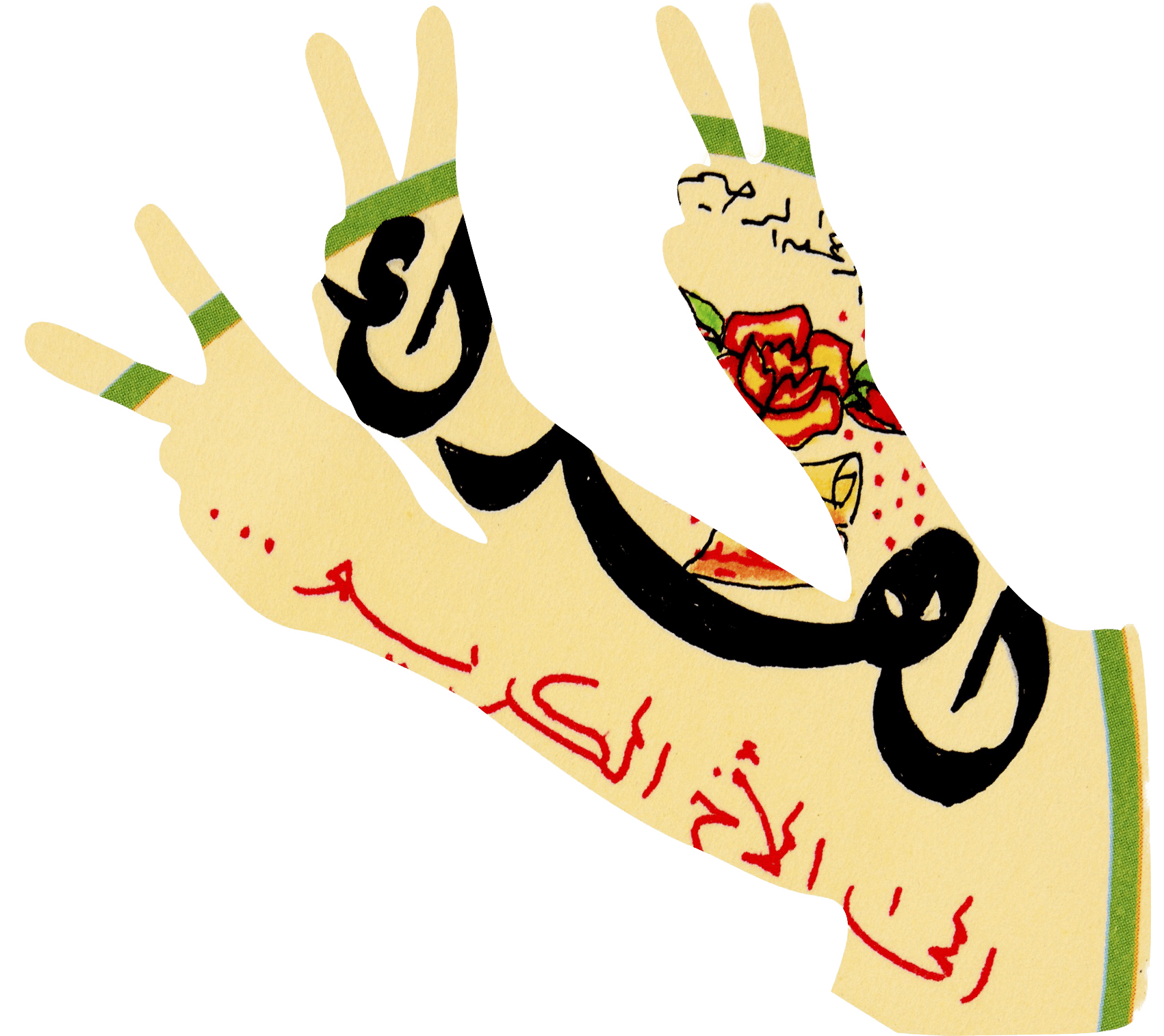
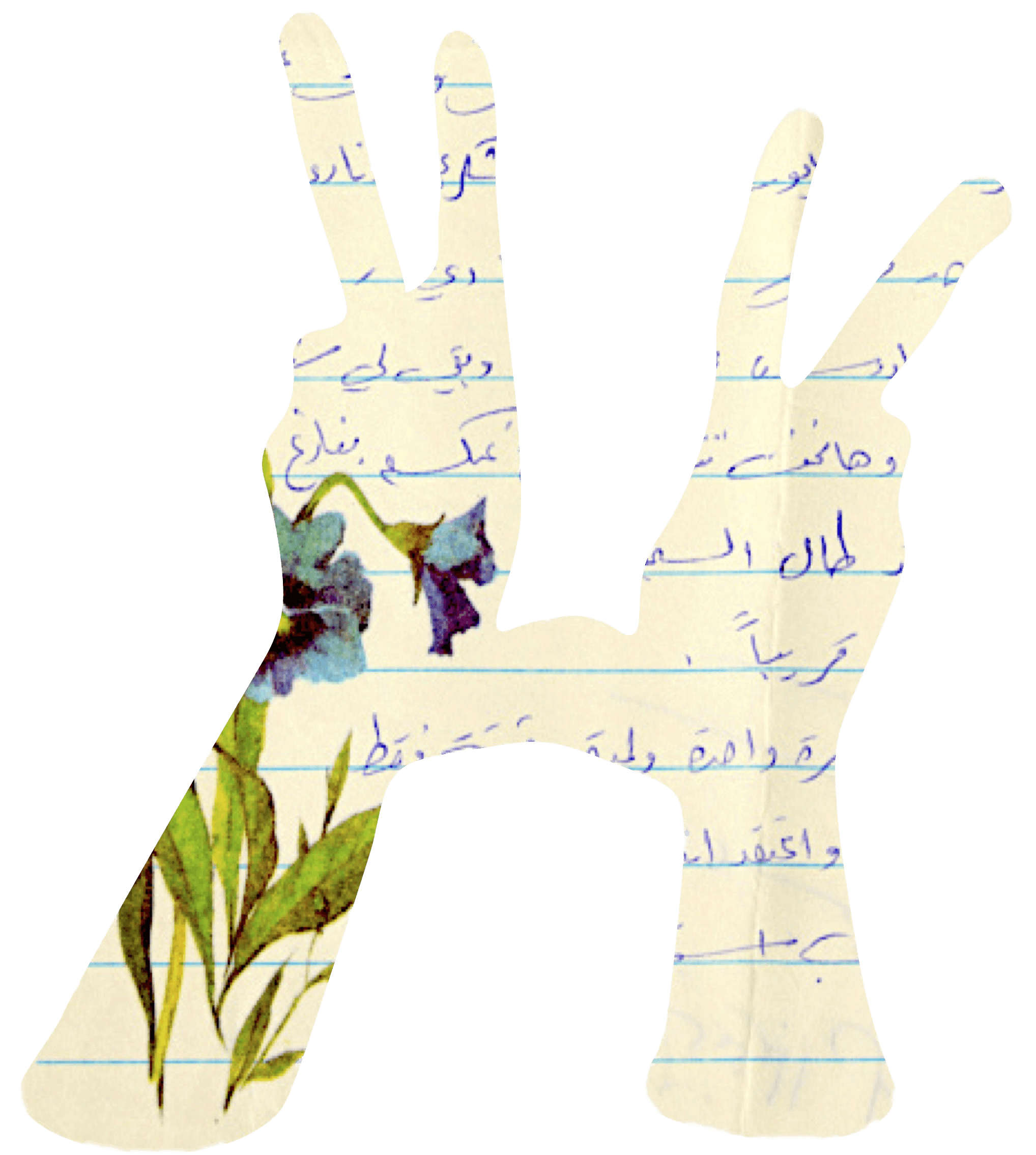
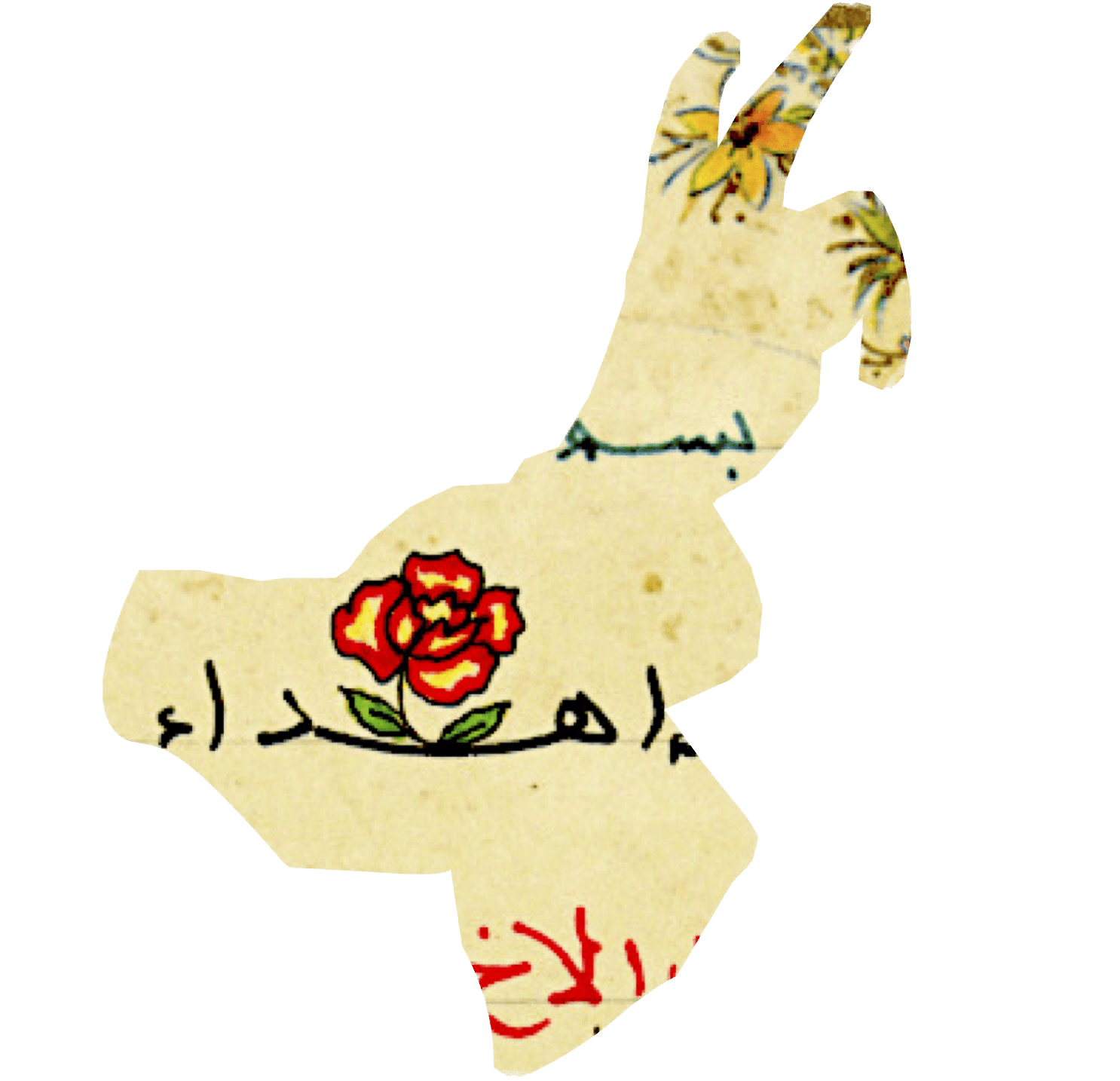
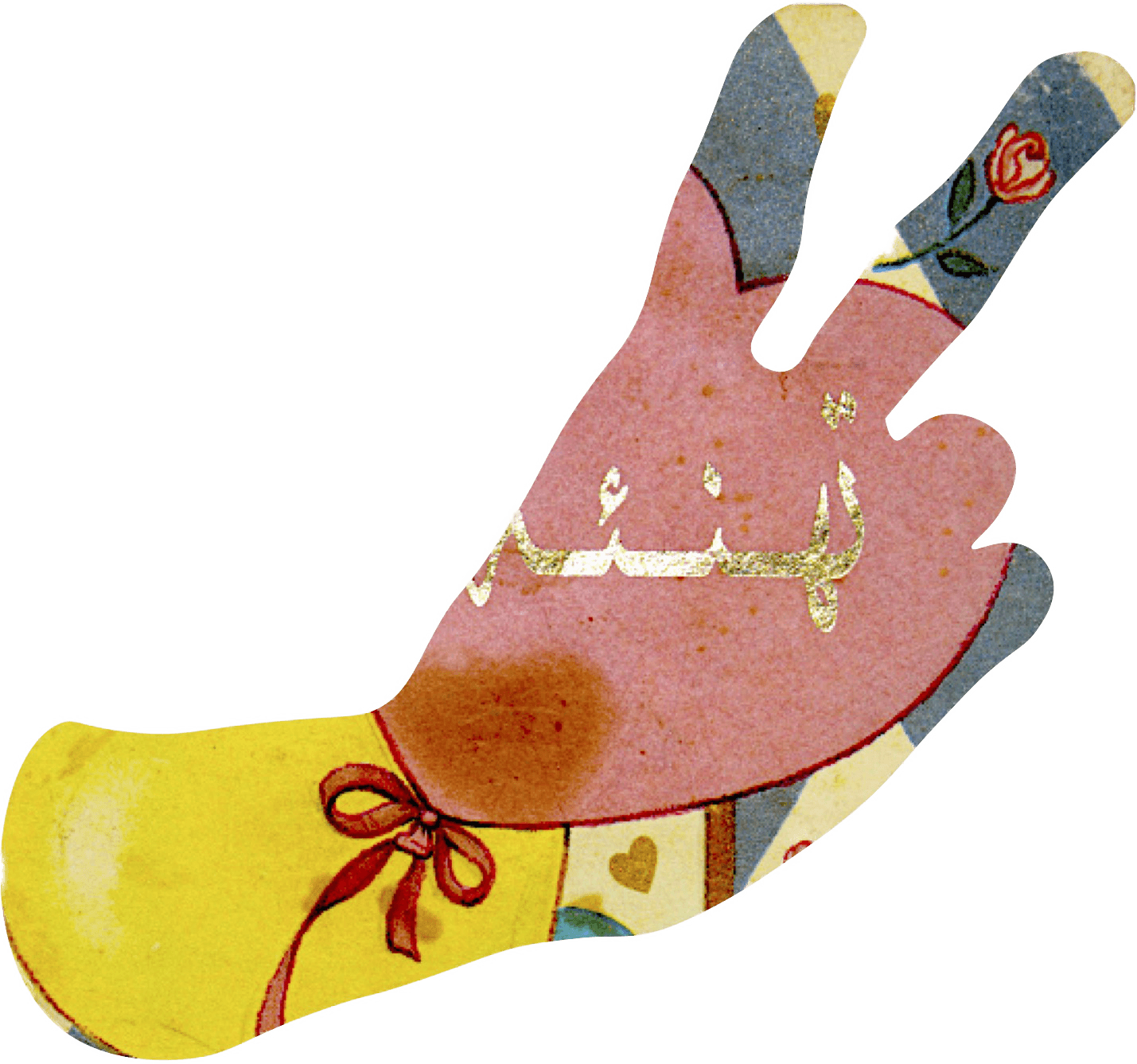
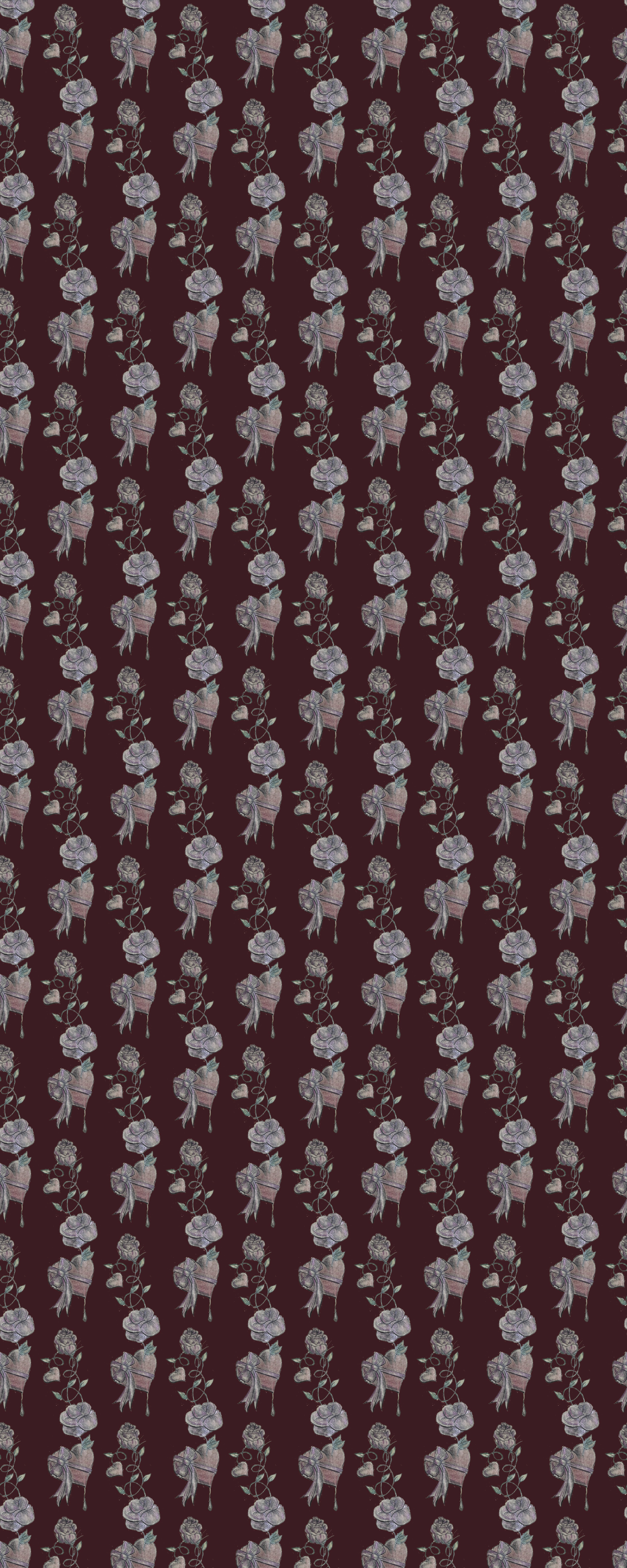
In the prison cell, where time is crushed, and bodies are stripped of their freedom, the imagination becomes the last refuge unreachable by the jailer. And there, a prisoner draws a flower. It’s not just decoration; it’s an act of survival and resistance. Hung beside the prisoner’s bed, where it may be glanced at each night before sleep, the flower brings back the face of a mother, the scent of the land, the voice of a loved one. It is a shield against the fragmentation of memory, an attempt to mend what is broken daily on the inside. These flowers bloom in defiance of chains.
In this project, I focus on the persistence of the flower in the drawings and letters of Palestinian prisoners. It reappears as a symbol of land and struggle, and to invoke the presence of loved ones and family. Prisoners write, draw, and send it as if it were a condensed visual map of what must be protected from oblivion. This presentation is part of an ongoing research project on how Palestinian prisoners resist psychological subjugation and torture inside Israeli prisons. It explores craftwork, drawing, and design as essential forms of cultural resistance, as ways that safeguard dignity, and aid in reconstructing the self in the face of dehumanization. The works shown here offer glimpses into the hidden life behind prison walls, where resistance is built from the humblest of materials, and parallel worlds are constructed from the most repressive and isolated of spaces.
These materials were gathered from public and private archives, testimonies, and various other sources. My heartfelt thanks to everyone who shared their stories or opened their memory to me. Today, with near-total silence on what’s happening inside Israeli prisons since October 7, 2023, and with increasing violence, torture, and even killing of Palestinian prisoners, these drawings become remnants of light. They are witnesses to human beings that are still in there, constantly abused, yet still drawing, still writing, still crafting talismans against disappearance. My heart is always with them. To draw a flower in a prison is to reshape the world into what it ought to be, and to hold on to a fragment of freedom, even when it’s taken away.
In the prison cell, where time is crushed, and bodies are stripped of their freedom, the imagination becomes the last refuge unreachable by the jailer. And there, a prisoner draws a flower. It’s not just decoration; it’s an act of survival and resistance. Hung beside the prisoner’s bed, where it may be glanced at each night before sleep, the flower brings back the face of a mother, the scent of the land, the voice of a loved one. It is a shield against the fragmentation of memory, an attempt to mend what is broken daily on the inside. These flowers bloom in defiance of chains.
In this project, I focus on the persistence of the flower in the drawings and letters of Palestinian prisoners. It reappears as a symbol of land and struggle, and to invoke the presence of loved ones and family. Prisoners write, draw, and send it as if it were a condensed visual map of what must be protected from oblivion. This presentation is part of an ongoing research project on how Palestinian prisoners resist psychological subjugation and torture inside Israeli prisons. It explores craftwork, drawing, and design as essential forms of cultural resistance, as ways that safeguard dignity, and aid in reconstructing the self in the face of dehumanization. The works shown here offer glimpses into the hidden life behind prison walls, where resistance is built from the humblest of materials, and parallel worlds are constructed from the most repressive and isolated of spaces.
These materials were gathered from public and private archives, testimonies, and various other sources. My heartfelt thanks to everyone who shared their stories or opened their memory to me. Today, with near-total silence on what’s happening inside Israeli prisons since October 7, 2023, and with increasing violence, torture, and even killing of Palestinian prisoners, these drawings become remnants of light. They are witnesses to human beings that are still in there, constantly abused, yet still drawing, still writing, still crafting talismans against disappearance. My heart is always with them. To draw a flower in a prison is to reshape the world into what it ought to be, and to hold on to a fragment of freedom, even when it’s taken away.